Bill and Expense Trackers: How to Keep Bills, Spending, and Cash Flow Organized
Bill and expense trackers help you see where money is going, when bills are due, and whether your future balance can handle what is coming next.

Bill and expense trackers help you answer two different money questions at the same time: where did the money go, and when will the next payment affect your balance? A normal transaction list can show spending after it happens, but a useful bill management system also shows what is coming next. That timing matters because a budget can look healthy for the month while one specific week still gets tight.
The best expense tracking software, payment tracking solutions, and budgeting tools online all share one goal: they reduce the amount of financial information you have to hold in your head. Instead of remembering every subscription, card payment, utility bill, and planned purchase, you can put each item into a system that keeps dates, amounts, categories, and reminders visible.
CalBudget focuses on calendar-based bill tracking and projected daily balances. It is manual-first, so you can build a forecast without connecting a bank account.
Why bill and expense tracking has moved beyond spreadsheets
Spreadsheets are flexible, but they often make people maintain the system instead of using the system. You have to create rows, rebuild formulas, copy recurring bills forward, and remember which date each payment affects. For a simple monthly total, that may be enough. For real cash-flow planning, it usually leaves too much timing work on the person using it.
Modern financial tracking software is useful because it turns repeated decisions into a repeatable workflow. Bills can recur. Categories can stay consistent. Reports can summarize spending. A calendar view can show whether a payment cluster arrives before or after payday. The point is not to make budgeting more complicated; it is to make the important dates harder to miss.
The core features to look for in expense tracking software
Different tools serve different people. A freelancer may care about tax categories and receipts. A household may care more about rent, utilities, groceries, subscriptions, and the lowest balance before payday. A business may need approvals, reimbursements, and accounting exports. Before choosing a tool, it helps to separate the features that record the past from the features that help you plan the future.
1. Clear categories and recurring payments
Categories turn raw transactions into a readable picture. Housing, utilities, groceries, transportation, debt payments, subscriptions, savings, and miscellaneous spending should be easy to separate. Recurring rules are just as important because most budget pressure comes from predictable items: rent, mortgage, insurance, phone bills, streaming services, card minimums, loan payments, and paychecks.
2. Payment timing and bill reminders
Bill management apps are strongest when they show dates, not just totals. A $200 utility bill feels different if it lands two days before payday than if it lands the day after. Payment tracking solutions should help you see the order of bills, income, transfers, and planned spending so you can act before a tight day arrives.
3. Reports that are easy to understand
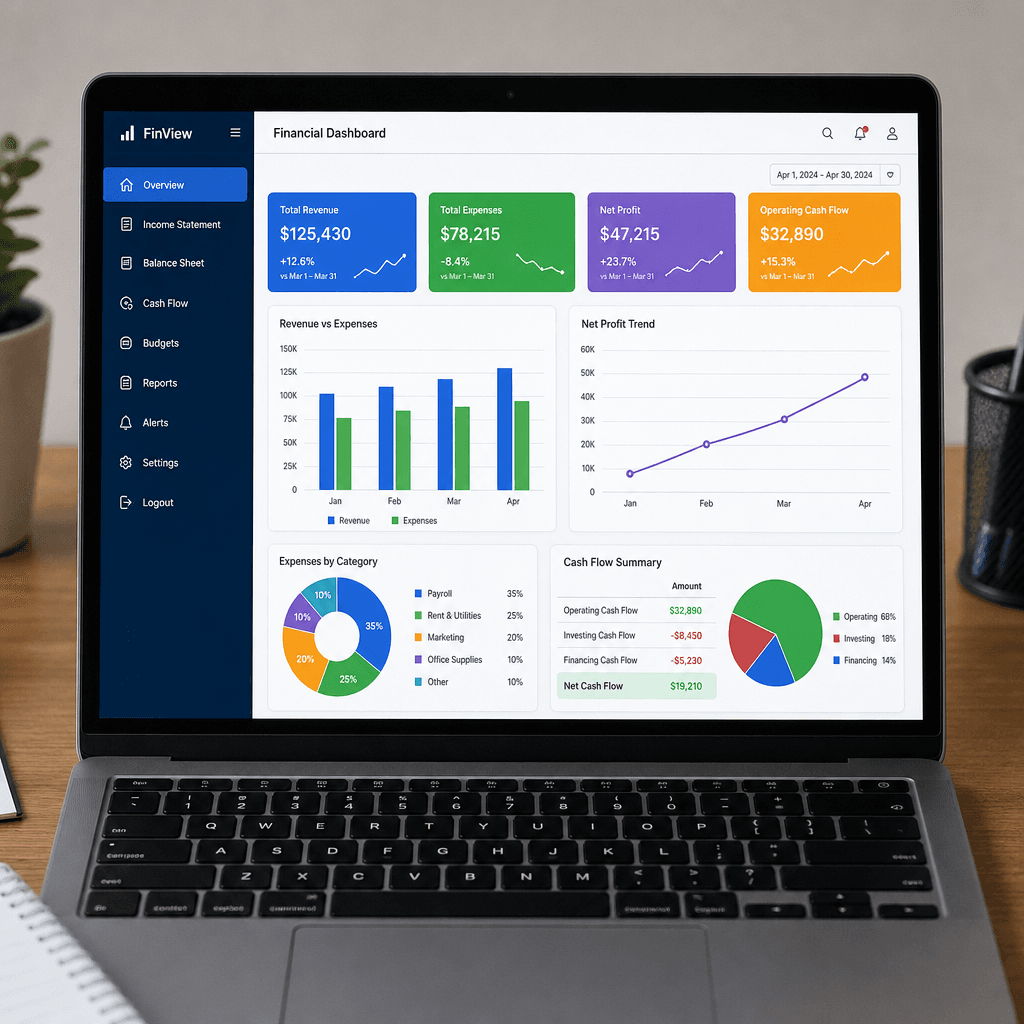
Reports should make the next decision clearer. A good spending report shows which categories are taking the most cash, which recurring expenses are adding up, and whether your monthly pattern is improving. For personal budgets, the report does not need to look like an accounting dashboard. It needs to point to the category or date that deserves attention.
Personal bill tracking vs. business expense management
Personal finance management tools for beginners usually focus on simple setup, due dates, categories, and habit building. The user wants to know whether bills are covered, which subscriptions can be reduced, and whether a purchase today creates pressure later in the month. Free budget planners for personal use can be enough when the main goal is visibility.
Business expense management tools often have a different job. They may support employee reimbursements, receipt workflows, card reconciliation, approvals, and accounting integrations. Those features are valuable for teams, but they are not always necessary for a household budget. If your goal is to avoid late bills and understand future cash flow, start with the tool that makes your next dates obvious.
Budget Calendar Guide
See how calendar budgeting puts paychecks, bills, and spending on exact dates so timing is easier to manage.
Where receipt scanning fits
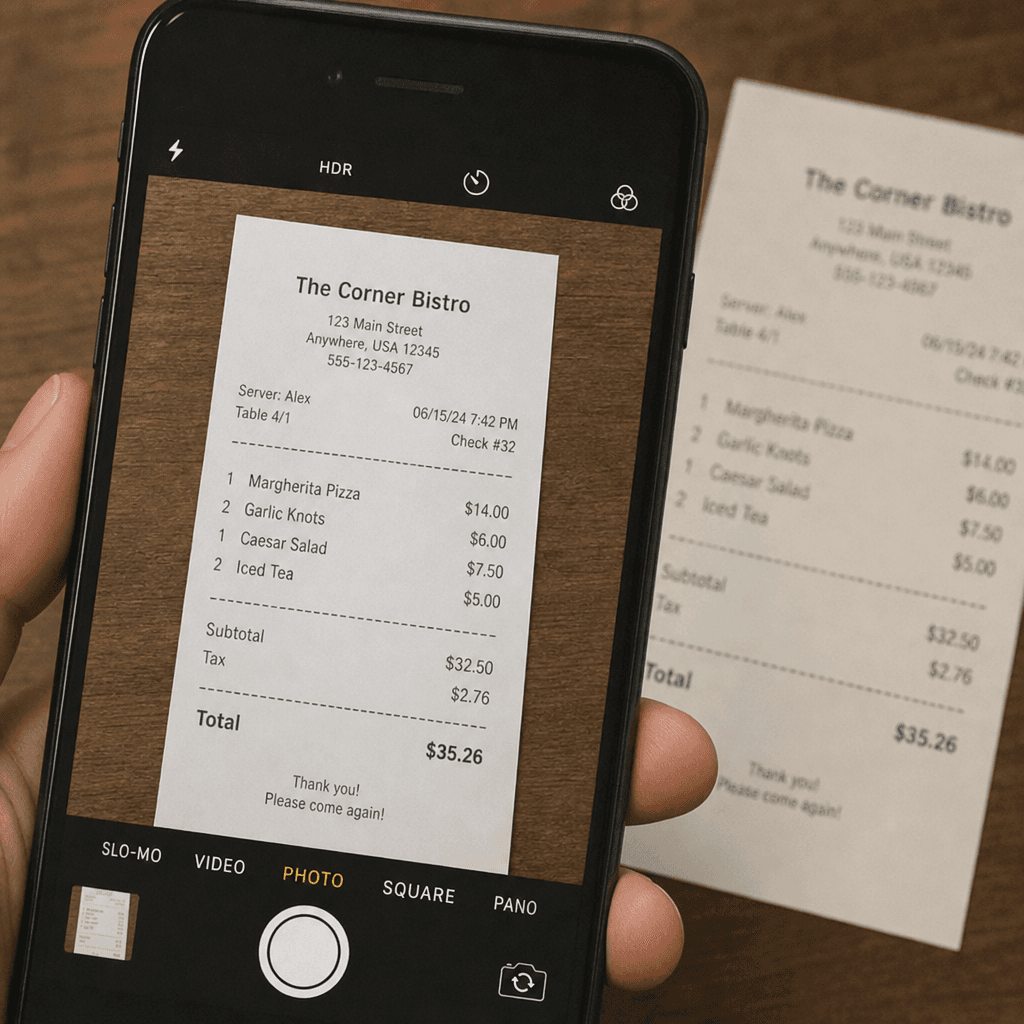
Receipt scanning can be helpful for people who need documentation for business expenses, reimbursements, or tax categories. Some apps use optical character recognition to read the merchant, date, and amount from a photo. If receipts are part of your workflow, choose a system that keeps the image, the category, and the transaction connected.
For many households, however, receipt scanning is not the first problem to solve. The bigger issue is knowing whether upcoming bills and everyday spending fit between paydays. A simple calendar-based tracker can be more useful than a complex receipt system if your main stress comes from payment timing.
Bill tracker vs. expense tracker vs. cash-flow planner
These tools overlap, but they answer different questions. A bill tracker focuses on what is due and whether it was paid. An expense tracker records where money already went. A cash-flow planner combines upcoming income and expenses in date order so you can estimate the balance that should remain.
- Choose a bill tracker when missed due dates and recurring charges are the main problem.
- Choose an expense tracker when category totals and historical spending are the main problem.
- Choose a cash-flow planner when you need to know whether bills fit between paychecks.
- Use a calendar-based tool when you want all three views connected by date.
Cash Flow Planner
See how dated income and expenses create a daily balance forecast and reveal the lowest future day.
How CalBudget approaches bill and expense tracking
CalBudget is built around a calendar-first budget. You enter the balance you want to plan from, then add paychecks, bills, subscriptions, transfers, debt payments, and planned purchases on the dates they affect your money. The app carries the balance forward so each future day shows a projected amount.
That makes CalBudget different from a basic expense list. The focus is not only what you spent last month. The focus is what your balance is expected to be after each upcoming money event. If the lowest projected day is uncomfortable, you can move a flexible payment, delay optional spending, or adjust the plan while there is still time.
- Use recurring rules for bills, subscriptions, debt payments, and paychecks.
- Track categories so reports can show where money is going.
- Review the lowest projected balance before the month gets tight.
- Plan manually without sharing bank credentials.
- Use imports and reports when history helps explain patterns.
Recurring Bills and Paychecks
Create repeating income and expense rules so future months stay visible without retyping every bill.
A simple workflow for choosing a tracker
Before you commit to any bill payment and tracking tool, write down the problem you actually need solved. If you need reimbursements, approvals, receipt storage, and accounting exports, look for a business expense management platform. If you need to know whether rent, utilities, groceries, subscriptions, and debt payments fit before the next payday, look for a bill calendar and running balance forecast.
- List your recurring bills and subscriptions.
- Add every expected paycheck or income deposit.
- Add known debt payments, transfers, and planned purchases.
- Check the lowest projected balance before the next payday.
- Change the smallest flexible item that makes the forecast safer.
A tracker is working if it helps you make one better decision before money leaves the account.
Final thoughts
Bill and expense trackers are not only about organization. They are about reducing surprise. When bills, spending, income, and recurring charges live in one clear system, you can see the month as a sequence of decisions instead of a pile of transactions.
For people who care most about timing, a calendar-based tracker is especially powerful. It shows the day money arrives, the day money leaves, and the balance that remains afterward. That is the information most people need before they decide whether to spend, wait, move a bill, or protect a cash cushion.
Try CalBudget
Build a calendar forecast with today’s balance, your next paycheck, and the bills that matter most. Eligible new annual subscribers get a 3-day trial.
A 30-Day Action Plan for Bill and Expense Trackers: How to Keep Bills, Spending, and Cash Flow Organized
Turn the advice in this guide into a 30-day experiment instead of a permanent rule you have to master immediately. During the first week, record the dates and amounts you already know: income, housing, utilities, debt minimums, subscriptions, transportation, groceries, and planned transfers. During the second week, compare those entries with what actually cleared. Correct the dates before changing the budget amounts. By the third week, the forecast should reflect your normal timing well enough to expose the one or two days that create the most pressure. Use the final week to make one repeatable adjustment and carry it into the next month.
This phased approach matters for bill and expense trackers because an accurate baseline is more useful than an ambitious first draft. A bill that usually clears two days early, a grocery trip that moves with payday, or a transfer that is recorded as income can distort the entire picture. Correcting those details gives you a forecast you can trust. Once the timing is reliable, decisions about expense tracking software, bill management apps, bill tracking tools become easier because each choice has a visible effect on the days that follow.
Measure Progress With Decisions, Not Perfection
A useful budget does not need every transaction to match the plan exactly. It needs to reveal a problem while the problem is still small. Track three signals: the lowest projected balance before the next paycheck, the number of expenses that arrived without a calendar entry, and the size of the difference between planned and actual flexible spending. Those measurements answer practical questions. Is the buffer growing? Are surprise transactions becoming less common? Is the forecast becoming more accurate from one week to the next? Progress in those areas is more durable than finishing one month with perfectly organized categories.
- Check the next two paychecks and every obligation scheduled between them.
- Compare the projected low point with a personal comfort floor, not merely zero dollars.
- Correct an inaccurate date as soon as a transaction clears earlier or later than expected.
- Make one adjustment at a time, then confirm that it improves the forecast before changing anything else.
Choose a comfort floor that reflects the way the account is used. Someone with a separate emergency fund may be comfortable with a smaller checking cushion. A household with variable income, automatic withdrawals, or frequent transportation costs may need more room. The number is not a moral score and it does not need to match anyone else's recommendation. It is simply the point where a normal surprise would force a transfer, a delayed bill, or an overdraft. Keeping the projected balance above that floor turns the calendar into an early-warning system rather than a record of what already happened.
Make the Plan Resilient to Real Life
Build a small amount of uncertainty into the forecast. Use the earliest reasonable date for withdrawals and the latest reasonable date for deposits. Round flexible expenses up when the exact amount is unknown. Add placeholders for irregular costs as soon as you learn about them, even if the estimate will change. This conservative approach may make the first forecast look less comfortable, but it prevents the plan from depending on every event going perfectly. When the real amount is lower or income arrives early, the difference becomes breathing room instead of money that was already promised elsewhere.
If the forecast still falls below the comfort floor, work outward from the low day. Review the seven days before it and separate fixed obligations from flexible choices. Protect housing, utilities, transportation, food, insurance, and required minimum payments first. Then test the smallest available move: reschedule an optional purchase, reduce one flexible amount, pause a transfer, or ask whether a provider offers a better due date. The objective is not to erase all spending. It is to solve the timing conflict with the least disruption and preserve a plan you can repeat next month.
At the end of the month, ask which single decision made bill and expense trackers easier to follow. Keep that decision, remove any step that created work without improving the forecast, and use the updated dates as next month's starting point.
How a Running Balance Predicts Overdraft Risk
Connect this strategy to a dated running balance and make the next low-cash day visible before it arrives.
See CalBudget Features for Calendar-Based Planning
Review the calendar, recurring transaction, forecasting, and account tools used throughout this guide.
Frequently asked questions
What is a bill and expense tracker?
A bill and expense tracker is a system for recording bills, spending, due dates, recurring charges, and payment timing so you can understand both what you spend and when cash leaves your account.
Is CalBudget expense tracking software?
CalBudget is a calendar-first budgeting and bill tracking app. It helps you track bills, paychecks, subscriptions, planned spending, and projected daily balances without requiring a bank login.
What is the difference between expense tracking and bill management?
Expense tracking focuses on where money goes. Bill management focuses on due dates, recurring payments, and payment timing. A strong cash-flow plan uses both.
Do I need automated bank sync to track bills?
No. Bank sync can help some people, but a manual-first tracker can still produce a useful forecast when you enter today’s balance, paychecks, recurring bills, and planned expenses.
How do I track bills and expenses in one place?
Put both on one calendar: recurring rules for bills, subscriptions, and paychecks, plus dated entries for everyday spending, so a single view shows what is due and what remains.